The Problem with Instant AI Answers
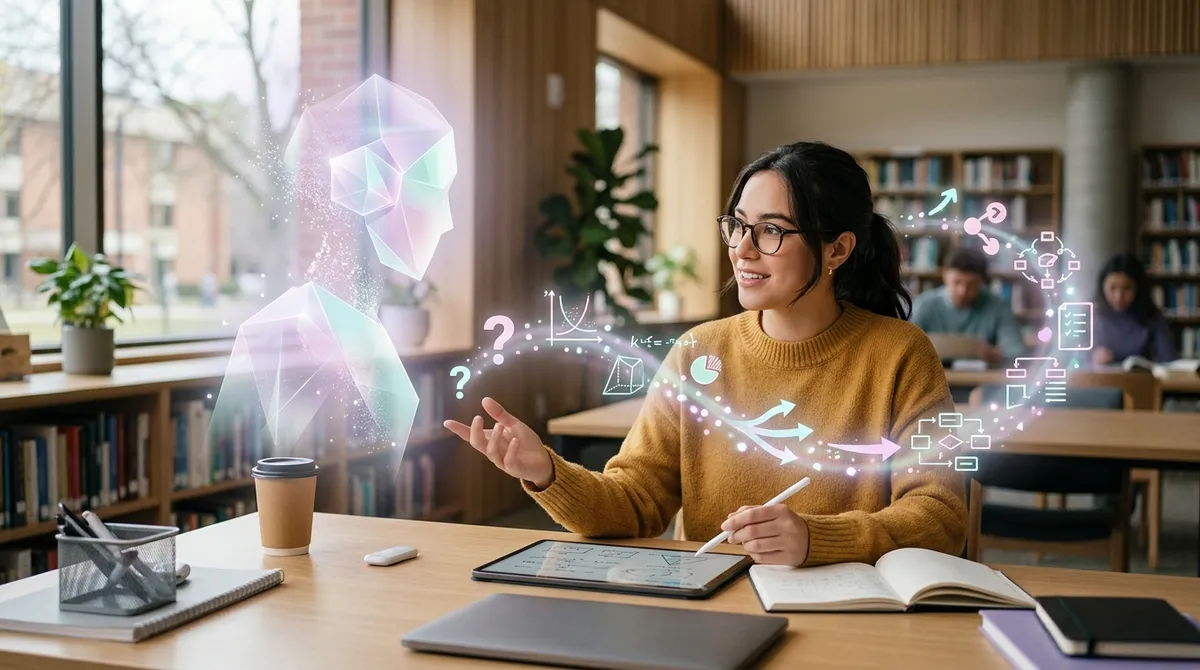
As AI chatbots become mainstream in classrooms, a fundamental question emerges: are these systems actually helping students learn, or are they simply providing shortcuts that bypass the thinking process altogether?
According to reports, machine learning expert Jakub Mačina is working to address this challenge by developing AI tutors that function as learning coaches rather than answer machines. His research focuses on a critical distinction in educational technology—the difference between systems that deliver finished solutions and those that guide students through the thinking process.
From Answer Machines to Thinking Coaches
The shift from traditional AI responses to pedagogically useful tutoring represents a significant evolution in educational technology. While many AI systems can answer questions within seconds, this speed often prevents students from engaging in what learning fundamentally requires: thinking for themselves.
Mačina's work centers on making AI tutors more effective by emphasizing guidance over immediate solutions. This approach recognizes that the process of working through problems is often more valuable than simply obtaining correct answers.
MathTutorBench: A Report Card for AI Tutors
To measure the effectiveness of AI tutoring systems, Mačina has developed MathTutorBench, which serves as a benchmark for evaluating AI tutors. This tool provides a systematic way to assess whether AI systems are truly supporting learning or merely functioning as sophisticated answer generators.
The benchmark represents an important step toward establishing standards for educational AI, particularly as major technology companies continue to develop and deploy tutoring tools in educational settings.
The Rise of Specialized Education Models
Mačina's research has also produced TutorRL, an open-source model specifically designed for educational applications. This development points toward a trend of creating smaller, specialized AI models focused on education rather than relying solely on general-purpose chatbots.
The open-source nature of TutorRL could enable educators and researchers to further refine and customize AI tutoring approaches, potentially leading to more effective educational tools that align with proven pedagogical principles.
Impact on the Education Landscape
With students already relying heavily on chatbots for homework and studying, the implications of this research extend beyond academic circles. Major companies including OpenAI, Google, and Khan Academy are actively developing AI tutoring tools, making the question of educational effectiveness increasingly urgent.
The challenge for educators is determining how to integrate AI tools without being replaced by them. Effective AI tutoring systems should complement human instruction rather than substitute for it, supporting teachers in providing personalized guidance to students.
Looking Ahead: AI That Supports Real Learning
As AI becomes more prevalent in educational settings, the focus is shifting from creating systems that can quickly solve problems to developing tools that enhance the learning process itself. This evolution requires AI systems to understand not just subject matter, but also how students learn most effectively.
The work being done on AI tutoring represents a broader trend toward more thoughtful implementation of artificial intelligence in education. Rather than simply automating existing processes, these developments aim to create genuinely new capabilities that support deeper learning.
For educators, parents, and technology professionals, understanding the distinction between AI answer machines and AI learning coaches will be crucial as these tools become more widespread. The goal is ensuring that artificial intelligence enhances rather than undermines the fundamental human process of learning through thinking and discovery.