
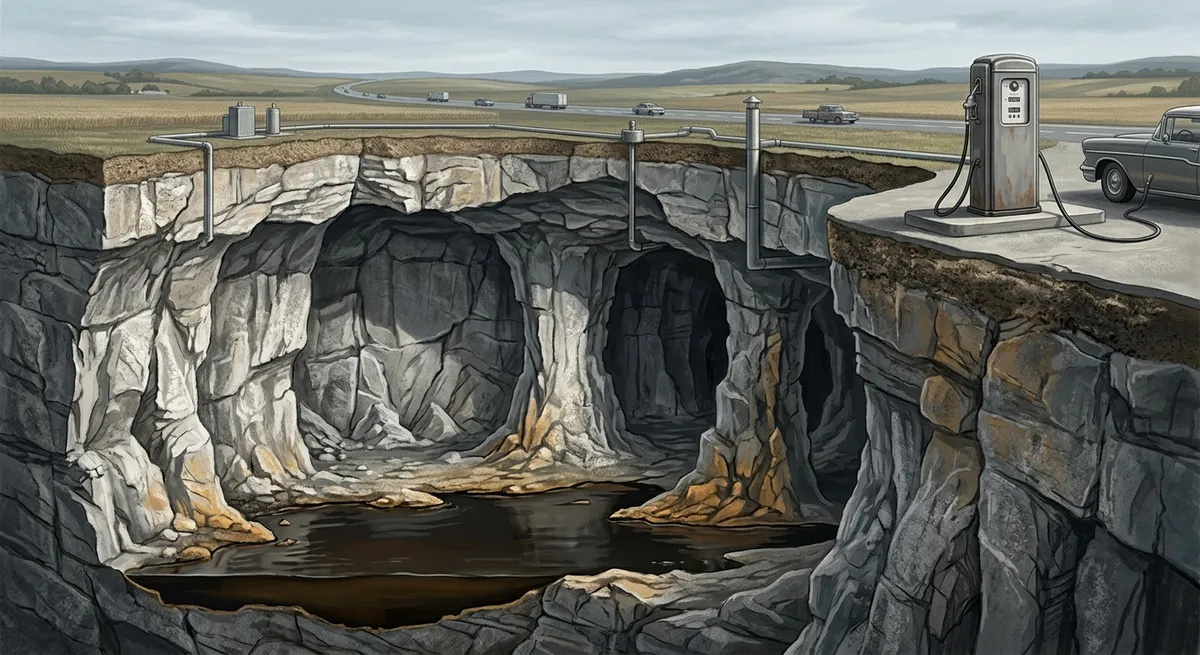
The U.S. Strategic Petroleum Reserve (SPR) has fallen to 283.8 million barrels, marking the lowest figure since 1982. This steep decline comes after significant emergency releases intended to stabilize global oil markets. Given the stress on oil markets from strained supply lines, including disruptions in the Strait of Hormuz, the diminishing stockpile raises alarming questions regarding U.S. energy security and consumer gas prices.
Understanding the Strategic Petroleum Reserve
The SPR acts as a national "oil emergency fund." It exists to buffer against sudden oil supply disruptions and protect against price spikes that can adversely affect consumers and the economy. When the reserve starts dwindling, as it has, the potential for a rapid increase in fuel costs becomes more pronounced both for individual drivers and businesses.
What’s Driving the Decline?
The decline in the SPR is primarily attributed to emergency oil releases aimed at stabilizing prices amid heightened market stress. As of now, the administration's drawdowns have plummeted the reserve to levels considered operationally sensitive. This means that further releases may provide diminishing returns in stabilizing oil prices, making it a delicate balancing act for policymakers.
Implications of a Low SPR
The reduced levels in the SPR bring a cascade of implications for U.S. energy policy and consumer prices. Here’s what you need to know:
1. Impact on Gasoline Prices
Consumers could see increasing gasoline prices if geopolitical tensions escalate or if natural disasters affect supply. Without a significant reserve cushion, the market's reaction to supply issues could be drastic. Benzene futures and local pump prices may spike unexpectedly if any new disruptions occur.
2. Questions on Energy Security
Lower levels in the SPR call attention to the robustness of U.S. energy security policy. The government’s ability to react effectively to sudden shocks is imperative. If the SPR hits critically low levels, long-term strategies may need reevaluation to ensure that consumers are safeguarded against acute price volatility.
3. Refilling Concerns
As reported, there are worries about how the SPR can be replenished. Oil swaps or strategic purchases may need to be considered in the longer term to refill the reserve, a process that could have budgetary and operational implications for Washington. This could mean taxpayer considerations in how oil resources are managed.
4. Long-Term Vulnerability vs. Short-Term Relief
The tension between short-term relief strategies and the risk of depletion raises broader questions. Does the government prioritize immediate price stabilization at the cost of future reserve levels? This debate may define energy policy in the coming years as market stresses continue to evolve.
Conclusion: Staying Informed
Having an SPR at such a low level points to a precarious position for the U.S. as global oil markets maintain their volatility. Understanding the implications of a dwindling oil reserve is vital not only for policymakers but for consumers themselves. As an individual, keeping an eye on fuel prices, market forecasts, and government policies will prove crucial in navigating the tight energy landscape ahead.