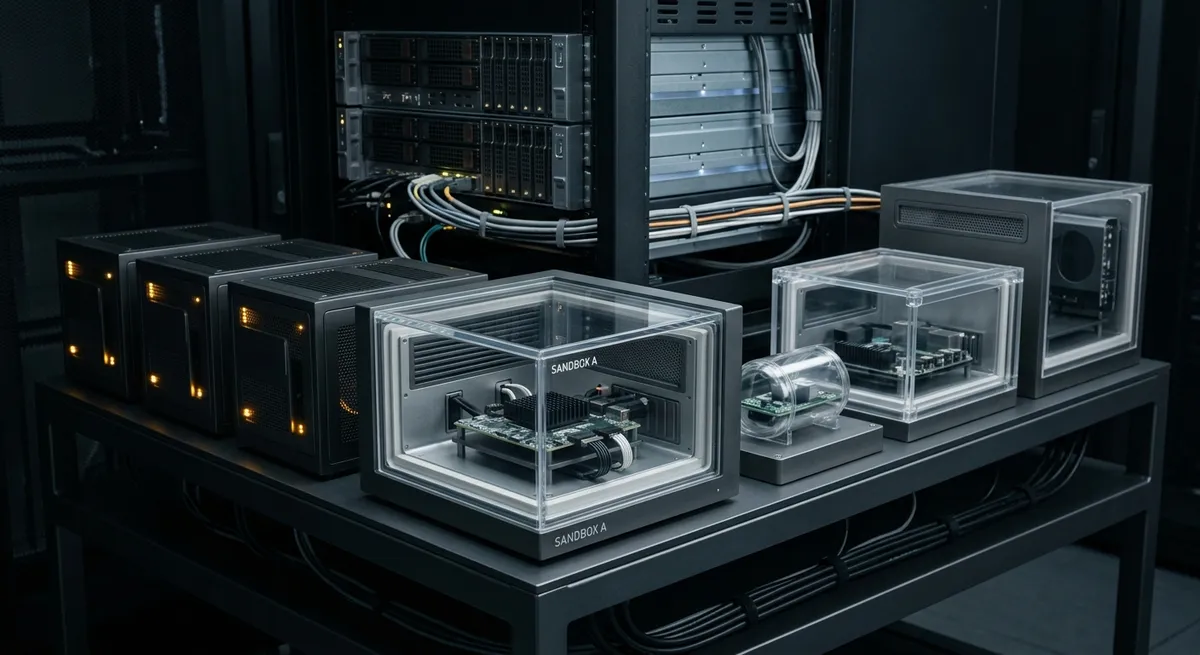
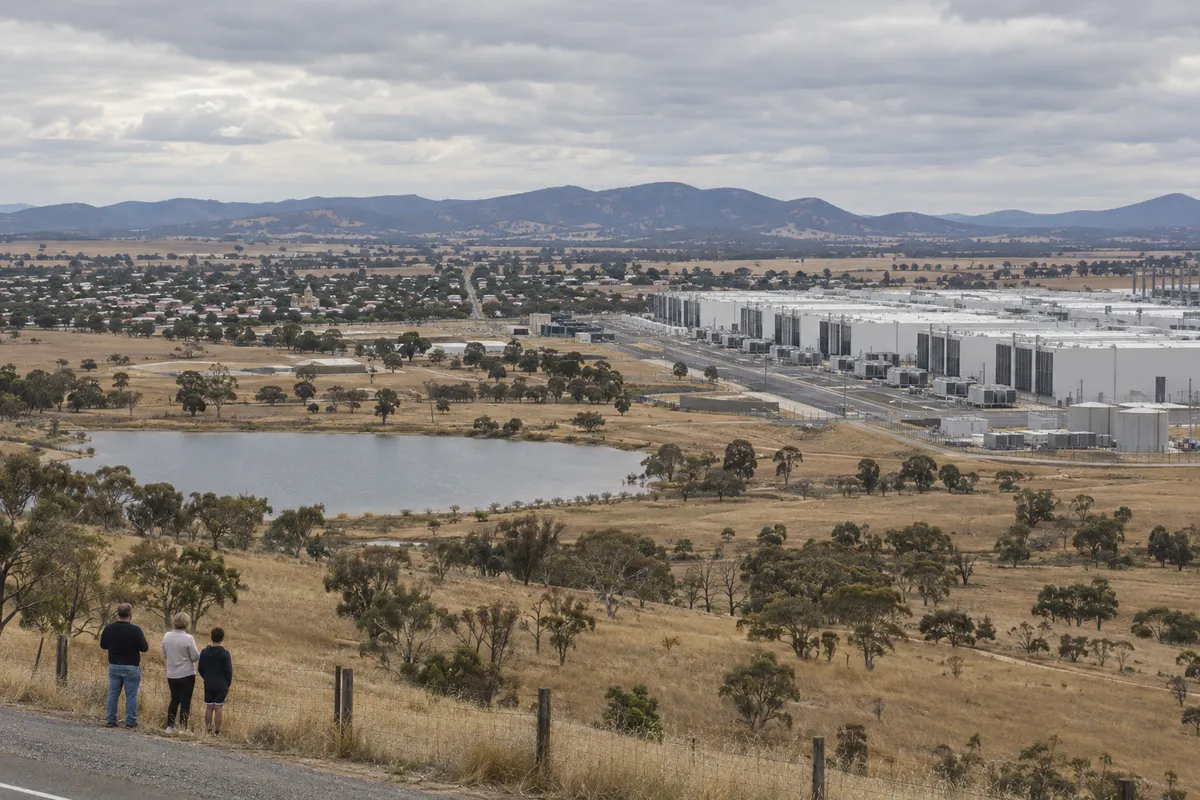
AI feels like software, but it has an address. Per CNN, Anthropic is exploring what could be its first AI data center in Australia, and the story opens with a local mayor driving through the first rainfall in months to the proposed site. That detail says a lot. Before a single server is installed, the project is already tangled up with weather, land, and the question of who benefits.
If you follow AI, this is a useful lens. By the end of this piece, you'll know why data center plans trigger skepticism, what questions communities tend to ask, and how to judge whether a project's promises hold up.
The story: a first Australian site meets local distrust
CNN reports that Anthropic is eyeing its Australian debut, and that the project is already running into distrust over land use, infrastructure, and the wider effects of AI expansion. CNN frames the debut as a test of whether Big Tech can win community trust while building energy- and water-intensive facilities.
The details of any final deal are not something to speculate on here. What matters is the pattern: the company arrives with a global AI story, and the community weighs it against local trade-offs.
Why AI data centers spark distrust
The skepticism isn't random. It tends to come from a few concrete sources.
The resource footprint is physical
AI facilities are energy- and water-intensive, as CNN's framing notes. In a place with climate pressure and water concerns, as Australia has, that's not an abstract issue. A town that has just seen its first rain in months will naturally ask what a large facility means for shared resources.
The benefits are hard to see from the ground
Communities are increasingly asking what they gain versus what they sacrifice. Data centers are typically not large employers once built, and the value they create (AI products used globally) is far from the town that hosts them. That's my analysis rather than a finding from the report, but it explains why the gap between AI branding and on-the-ground impact keeps coming up.
Land and infrastructure are shared
Land use and infrastructure are named as sticking points in the reporting. Roads, power connections, and water supply are things residents already depend on. A new heavy user raises fair questions about who pays for upgrades and who gets priority.
Regional politics add weight
Regional development politics make this a flashpoint. A data center can be pitched as investment, but locals may see it as a trade they weren't asked to make.
Why Australia is a telling test
AI companies are racing to build capacity worldwide, so the same conversation will repeat in many places. Australia combines several pressures at once: climate stress, water worries, and regional development debates. That makes it a revealing early case for how Big Tech infrastructure is received when the novelty of AI wears off and the construction begins.
Questions worth asking of any data center project
You don't need to be a local resident to evaluate a proposal. These are practical checks, and they apply anywhere:
- Water: How much will the facility use, where does it come from, and what happens in a drought?
- Power: Where does the electricity come from, and does the grid need upgrades? Who funds them?
- Land: What was the land used for before, and what alternatives were considered?
- Jobs and benefits: How many permanent roles are expected, and what does the community get beyond construction work?
- Transparency: Are figures published and independently checkable, or only offered as assurances?
Vague answers to these questions are usually what feeds distrust. Specific, verifiable ones are what build trust.
What this means for the AI boom
The cloud metaphor has done AI a disservice. It suggests something weightless, when the reality is concrete, cooling systems, and power lines. As more companies build, the social license to operate becomes as important as the chips. A company that treats community concerns as a late-stage PR task, rather than a design input, risks the kind of distrust CNN describes before it has even broken ground.
For readers in tech, finance, and innovation, this is worth tracking. Infrastructure constraints, local approval, and public sentiment can shape how fast AI scales just as much as model breakthroughs do.
The takeaway
Next time you read about a new AI model or product, ask where it physically runs. Then apply the five questions above to any data center headline you see. The answers will tell you more about the real cost and credibility of AI than the marketing ever will.