In recent discussions surrounding technology manufacturing, former President Donald Trump has voiced his opinion on where Apple should produce its popular iPhone devices. The emphasis on bringing production back to the United States has sparked interest in the tech community and among industry leaders.
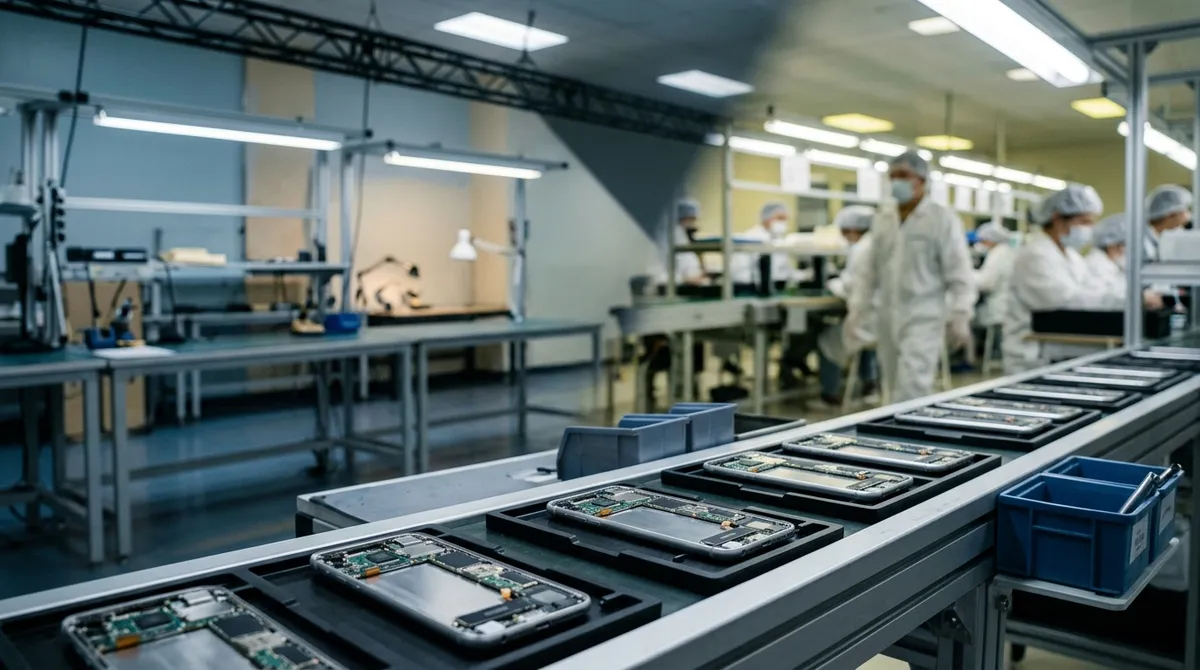
The context of this debate centers around Apple's current production strategy. While Apple's headquarters reside in Cupertino, California, the manufacturing of its devices predominantly occurs overseas. The company partners with factories in countries such as China and India to produce its high-demand products. This global production strategy allows Apple to maintain competitive pricing and access a skilled labor force.
The Push for Domestic Manufacturing
Donald Trump's call for Apple to relocate its iPhone production back to the U.S. aligns with his previous economic policies. During his presidency, Trump frequently advocated for the restoration of American jobs and the reduction of reliance on foreign manufacturing. His administration implemented tariffs and encouraged companies to invest in U.S. manufacturing infrastructure.
Advocates for domestic production argue that bringing iPhone manufacturing back to the U.S. could create numerous jobs and stimulate economic growth. It would also reduce dependency on international supply chains, which have experienced disruptions in recent years due to global events.
Challenges Facing U.S. Manufacturing
Despite the potential benefits, relocating iPhone production to the U.S. presents several challenges. One significant obstacle is the cost. Producing electronics domestically can be more expensive due to higher labor costs compared to countries like China and India, where the cost of labor is significantly lower.
Moreover, the U.S. currently lacks the extensive infrastructure and supply chain network found in Asia. Establishing a similar network would require substantial investment and time. Apple would need to consider these factors carefully to maintain its market position and competitive pricing.
Apple's Global Strategy
Apple's decision to manufacture its products globally is strategic. By leveraging international manufacturing, Apple benefits from cost efficiencies and access to advanced production capabilities. This approach allows the company to meet the high demand for its products worldwide.
Additionally, producing iPhones in countries like India helps Apple tap into emerging markets. India's growing consumer base presents a lucrative opportunity for the tech giant. Manufacturing locally also helps Apple avoid import taxes, making its products more affordable for local consumers.
The Impact of Trade Policies
Trade policies have a significant impact on where companies like Apple choose to manufacture their products. Tariffs and trade agreements can influence the cost-effectiveness of international production. Companies must navigate these complex landscapes to optimize their production strategies.
In response to changing trade dynamics, Apple has been diversifying its production locations. By expanding manufacturing in countries like India, Apple mitigates risks associated with over-reliance on a single region. This diversification strategy helps ensure resilience in its supply chain.
Looking Forward
The debate over where Apple should manufacture its iPhones is ongoing. While the idea of domestic production holds appeal for economic and political reasons, practical challenges must be addressed. The future of iPhone manufacturing will likely involve a balance between domestic interests and global efficiencies.
Apple's decisions will continue to be influenced by a combination of economic factors, consumer demand, and geopolitical considerations. As the company navigates these complexities, it remains committed to delivering innovative products while optimizing its production strategy.
The conversation around Apple's iPhone manufacturing highlights broader themes in global trade, economic policy, and technological advancement. As these discussions evolve, they will shape the future of one of the world's most influential tech companies.