
The Origins of Collaborative Coding
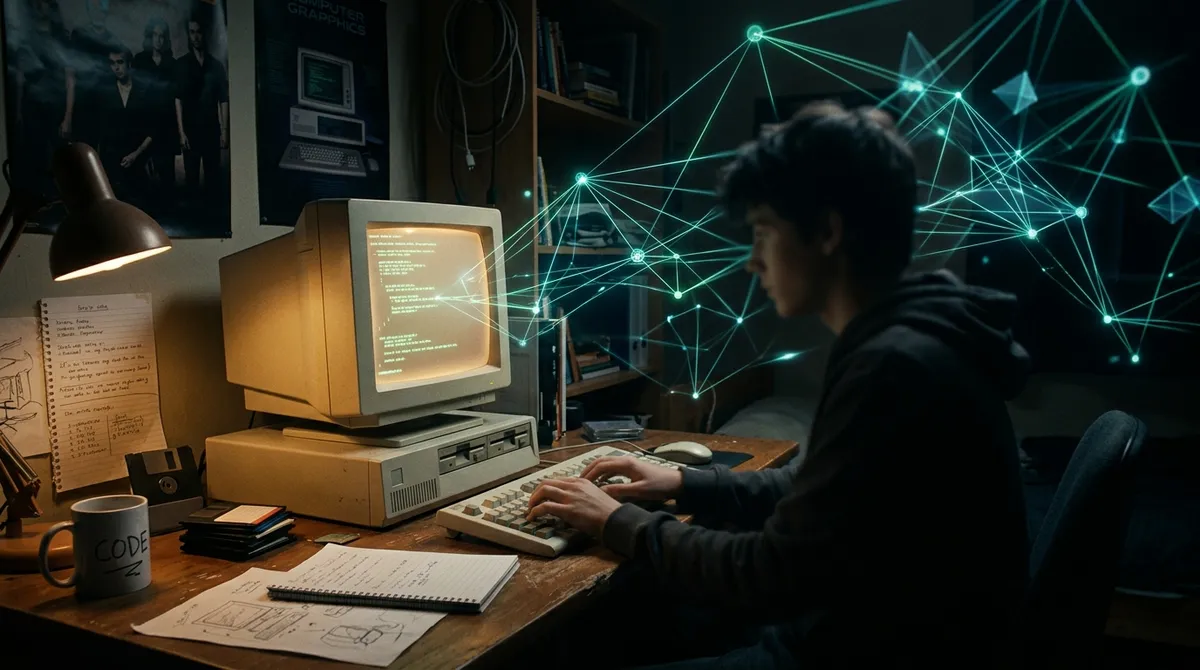
Long before GitHub repositories and Discord servers became the backbone of modern software development, a generation of teenage programmers was quietly building the foundations of today's collaborative tech culture. According to reports, these young developers, including future Minecraft creator Markus Persson, relied on floppy disks and early bulletin board systems to share code, troubleshoot problems, and develop their first game projects.
In the pre-internet era, enthusiastic young hackers had to get creative about sharing their innovations. Floppy disks became the primary medium for trading programs, while bulletin board systems (BBS) emerged as the first virtual communities where programmers could connect and exchange knowledge. This grassroots approach to collaboration laid the groundwork for the development culture that powers today's tech industry.
From Bulletin Boards to Modern Platforms
The evolution from those early BBS communities to today's sophisticated development platforms represents one of the most significant transformations in computing history. What started as teenagers sharing code through physical media and dial-up bulletin boards has evolved into the complex ecosystem of GitHub, Discord, Reddit, and AI-assisted coding tools that modern creators rely on.
According to reports, these early communities helped shape collaborative developer culture in ways that extend far beyond simple code sharing. The spirit of experimentation, peer learning, and open knowledge exchange that characterized those bedroom coding sessions can be traced directly to today's forums, open-source projects, and creator-led tech communities.
The Hidden Software Engineering School
What many don't realize is that early game development served as an informal software engineering education for countless programmers. Young developers working on game projects from their bedrooms weren't just creating entertainment—they were unknowingly building the skills and community practices that would become essential to modern software development.
These teenage programmers faced the same challenges that professional developers encounter today: debugging complex systems, optimizing performance, collaborating on large projects, and maintaining code over time. The difference was that they had to solve these problems without formal training, relying instead on peer networks and community knowledge sharing.
The Minecraft Connection
The influence of this early culture becomes particularly clear when examining success stories like Minecraft. According to reports, the collaborative coding communities that emerged from BBS culture helped make projects like Minecraft possible. The game's massive success and its foundation in modding culture can be traced back to the same principles that drove those early bulletin board communities: open sharing, creative collaboration, and grassroots innovation.
This connection highlights how the bedroom coding movement evolved from a lonely hobby into a global phenomenon that continues to influence how software is created and shared today.
Modern Echoes of Early Innovation
Today's indie game development scene, modding communities, and open-source projects all bear the DNA of those early BBS communities. The same spirit of collaboration and creativity that drove teenagers to share floppy disks full of code now manifests in GitHub repositories, game development forums, and creator-focused platforms.
The timing of renewed interest in these origins is particularly relevant as nostalgia for early internet culture intersects with a resurgence in indie game development and creator-led tech communities. Modern developers using AI-assisted coding tools and sophisticated collaboration platforms are building on foundations laid by teenagers working alone in their bedrooms decades ago.
The Lasting Legacy
The transformation from physical floppy disk trading to cloud-based development platforms represents more than just technological progress—it demonstrates how grassroots innovation can reshape entire industries. The collaborative culture pioneered by early bedroom coders continues to drive open-source development, community-driven projects, and the creator economy that defines much of today's tech landscape.
As modern creators leverage increasingly sophisticated tools and platforms, the core principles established by those early communities remain unchanged: share knowledge freely, collaborate openly, and never underestimate the power of passionate individuals working together to build something extraordinary.