
Breakthrough in Cardiovascular Monitoring
Researchers from the University of Utah and University of Illinois, Chicago have developed a revolutionary smartwatch that continuously monitors blood pressure without the need for uncomfortable inflatable cuffs. The device represents a significant advancement in wearable health technology, addressing a critical gap in cardiovascular health tracking.
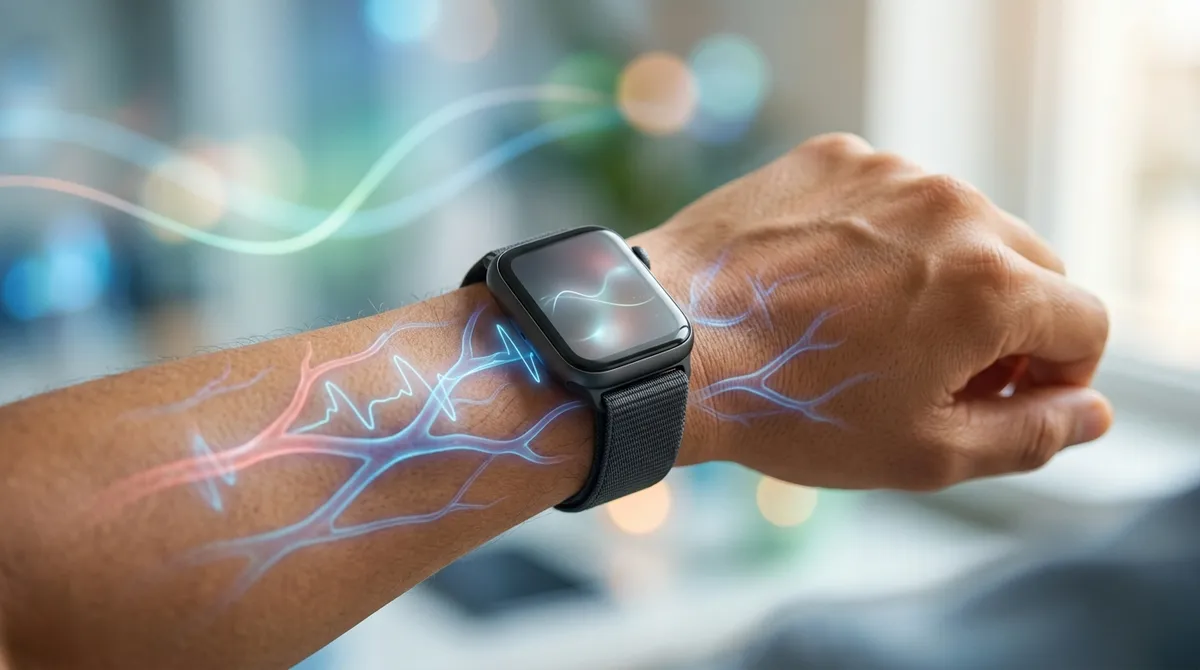
The innovative smartwatch uses bioimpedance technology, which employs electrical current combined with physics-informed machine learning to track blood pressure and blood flow continuously. This approach eliminates the limitations of traditional cuff-based monitoring systems that provide only occasional readings.
From Snapshots to Full Movies
The research team emphasizes the difference between traditional monitoring and their continuous approach using what they call the "movie vs. snapshot" metaphor. While conventional blood pressure cuffs provide a single reading at one point in time—essentially a "snapshot"—the new wearable device captures continuous waveform tracking that reveals the "full movie" of cardiovascular activity.
This continuous monitoring capability could reveal patterns and variations that standard cuffs miss entirely, providing a more comprehensive picture of an individual's cardiovascular health throughout the day.
Physics-Informed AI Approach
What sets this technology apart from other wearable devices is its use of physics-informed machine learning rather than "black box" artificial intelligence. According to reports, this approach makes the system more trustworthy for clinical use because the AI model is grounded in established physics principles rather than relying solely on data patterns.
This methodology represents an evolution in wearable health technology, moving beyond traditional light-based sensors to electrical bioimpedance measurements that can provide more accurate and continuous cardiovascular data.
Clinical Testing and Real-World Applications
The device has undergone real-world testing on 150 people, including patients in intensive care units (ICUs), demonstrating its credibility and clinical readiness. This extensive testing in both everyday and clinical settings suggests the technology could soon transition from research laboratories to practical healthcare applications.
The ICU testing is particularly significant, as it validates the device's accuracy in critical care environments where precise cardiovascular monitoring is essential for patient safety and treatment decisions.
Addressing the Silent Killer
High blood pressure is often called a "silent killer" because it typically shows no symptoms while significantly increasing the risk of heart attacks, strokes, and aneurysms. Current monitoring methods rely heavily on occasional clinical readings, which may not capture the full picture of a patient's cardiovascular health.
This breakthrough technology could transform how patients manage hypertension in real-world settings, providing continuous data that could help prevent cardiovascular events through earlier intervention and better treatment adjustments.
Impact on Cardiovascular Healthcare
The development addresses a major limitation in current cardiovascular care, where blood pressure monitoring typically occurs only during medical appointments or through periodic home measurements. Continuous monitoring could enable healthcare providers to make more informed treatment decisions based on comprehensive data rather than isolated readings.
For patients with hypertension or other cardiovascular conditions, this technology could provide peace of mind and enable more proactive health management. The ability to track blood pressure trends throughout daily activities could reveal how lifestyle factors, stress, exercise, and medications affect cardiovascular health in real-time.
As wearable health technology continues to evolve, this cuffless blood pressure monitoring represents a significant step toward more comprehensive and user-friendly cardiovascular health tracking that could ultimately save lives through better prevention and management of heart disease and stroke.