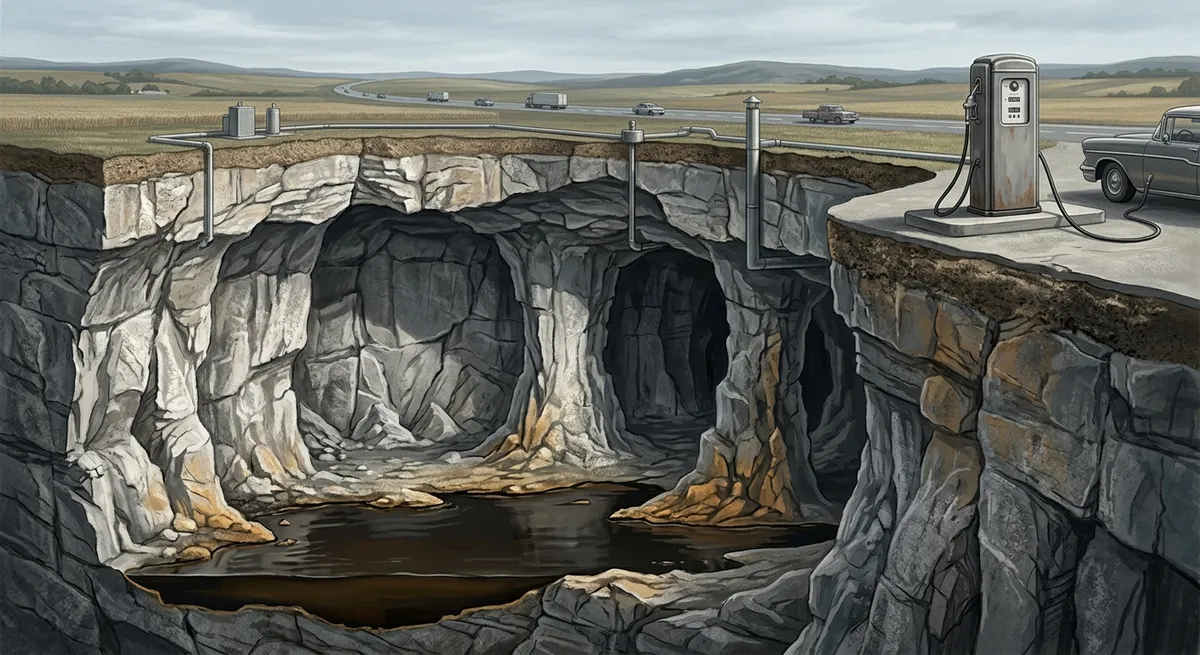

Iran oil supply risks are back in focus as energy markets weigh geopolitical tension, sanctions pressure and the search for cleaner fuels. The debate now reaches far beyond crude prices. It connects inflation, shipping costs, industrial competitiveness and the pace of global decarbonization.
Why Iran oil still matters to the global economy
Iran remains a major player in global oil markets, even when sanctions limit its formal trade channels. Its production decisions, export flows and regional tensions can influence energy prices quickly. That matters because oil still touches almost every part of the economy.
Crude oil prices affect transport, manufacturing, agriculture and consumer goods. When fuel costs rise, logistics firms often pass those costs along. Food producers may face higher fertilizer and transport expenses. Airlines and shipping companies see margins tighten. Consumers eventually feel the impact through higher prices.
The economic importance of Iran also comes from geography. The country sits close to the Strait of Hormuz, one of the world's most important energy transit routes. A meaningful disruption in that region can unsettle traders, insurers and governments. Even the fear of disruption can create a risk premium in oil prices.
Markets often react before any shortage appears. Traders price in uncertainty, while companies adjust contracts and supply plans. This is why headlines involving Iran, sanctions or Gulf security can move benchmark crude prices. The effect can spread quickly into currencies, equities and inflation expectations.
Energy security is returning to the policy agenda
For many governments, the Iran oil question highlights a broader challenge. Countries want affordable energy, reliable supply and lower emissions at the same time. Balancing those goals has become harder in a fragmented geopolitical environment.
Energy security once meant securing enough fossil fuel supply. Today, it also means building resilient power grids, critical mineral supply chains and clean fuel networks. Governments now evaluate risk across oil terminals, pipelines, refineries, battery materials and hydrogen infrastructure.
Oil-importing nations are especially exposed to sudden price changes. A sustained rise in crude prices can widen trade deficits and pressure currencies. It can also force central banks to keep interest rates higher for longer if inflation remains sticky.
Exporters face a different calculation. Higher prices can boost revenues in the short term. Yet long-term demand uncertainty encourages many producers to diversify their economies. The global shift toward lower-carbon energy makes that decision more urgent.
Sanctions, shadow trade and market opacity
Sanctions on Iranian oil create a more complex market. Restrictions can reduce official trade, but they do not always remove barrels from global supply. Instead, flows may shift through discounted sales, indirect routes and less transparent shipping arrangements.
This opacity makes markets harder to read. Analysts must compare satellite data, tanker movements, customs records and refinery demand. Small changes in assumptions can lead to very different estimates of available supply.
Opaque trading also increases operational risks. Buyers may face compliance concerns. Shipowners and insurers must assess legal exposure. Banks can become cautious about financing energy transactions linked to high-risk routes or counterparties.
For policymakers, this creates a difficult trade-off. Strict enforcement can reduce sanctioned revenue but may also tighten oil supply. Looser enforcement can ease price pressure but may weaken diplomatic leverage. Energy policy and foreign policy are deeply connected.
Alternative fuels are gaining strategic importance
The renewed focus on Iran oil strengthens the case for alternative fuels. Clean fuel technologies are no longer only climate tools. They are also part of energy security planning.
Alternative fuels include sustainable aviation fuel, advanced biofuels, green hydrogen, low-carbon ammonia, synthetic fuels and renewable methanol. Each option serves different sectors. Aviation needs high-energy liquid fuels. Shipping is testing ammonia, methanol and biofuels. Heavy industry is exploring hydrogen for steel, chemicals and refining.
These fuels can reduce reliance on volatile oil markets. They can also help sectors that are difficult to electrify. Batteries work well for passenger cars and some trucks. They are less practical for long-haul aviation, ocean shipping and high-temperature industrial processes.
However, alternative fuels face real barriers. Many remain expensive compared with fossil fuels. Production capacity is limited. Supply chains need large investment. Standards, certification systems and infrastructure must scale together.
The investment challenge for clean fuels
Building a clean fuel economy requires more than promising technology. It needs predictable demand, supportive policy and large pools of capital. Investors want confidence that customers will buy these fuels at scale.
Mandates can help create demand. So can tax credits, contracts for difference and public procurement. Airlines, shipping companies and industrial firms can also sign long-term offtake agreements. These contracts give producers confidence to finance new projects.
Infrastructure is another bottleneck. Ports may need storage for ammonia or methanol. Airports require systems for sustainable aviation fuel blending and delivery. Industrial clusters need pipelines, storage caverns and renewable electricity for hydrogen production.
Developing economies face an additional challenge. Many have strong renewable resources but limited access to low-cost capital. International finance, risk guarantees and blended funding can help unlock projects in these markets.
Oil price volatility can speed up the transition
High oil prices can hurt households and businesses. Yet volatility can also push companies to reduce exposure to fossil fuel risk. When fuel budgets become unpredictable, efficiency and alternative energy investments look more attractive.
Fleet operators may invest in electric vehicles, route optimization and fuel-saving systems. Airlines may accelerate sustainable aviation fuel partnerships. Shipping companies may test dual-fuel engines and port-based clean fuel supply.
Still, high prices alone do not guarantee a clean transition. If policymakers respond only by increasing fossil fuel supply, structural change may slow. The strongest approach combines short-term supply stability with long-term investment in cleaner alternatives.
This is where strategy matters. Governments can use moments of energy stress to improve efficiency, diversify fuel sources and strengthen clean technology supply chains. Those choices reduce future vulnerability.
What businesses should watch next
Companies exposed to energy prices should monitor several signals. The first is geopolitical risk around the Gulf and wider Middle East. Any escalation can influence crude prices, insurance costs and shipping routes.
The second is sanctions enforcement. Changes in policy can alter available supply and affect refinery purchasing decisions. Businesses should also track OPEC production strategy and demand trends in major consuming economies.
The third is clean fuel policy. New mandates or subsidies can change the economics of sustainable aviation fuel, hydrogen and ammonia. Early movers may secure better supply contracts before demand tightens.
Finally, companies should examine their own energy exposure. A clear view of fuel use, supplier risk and emissions can guide better decisions. Energy procurement is now a strategic function, not just an operating cost.
Conclusion: Iran oil risk and the clean fuel shift are connected
Iran oil developments show how vulnerable the global economy remains to fossil fuel shocks. A single region can influence prices, trade flows and inflation expectations. That reality will not disappear overnight.
At the same time, alternative fuels offer a path toward greater resilience. They can diversify energy supply, support climate goals and reduce exposure to oil market volatility. The transition will require investment, policy clarity and stronger international cooperation.
The message for governments and businesses is clear. Energy security and decarbonization should not be treated as competing priorities. Done well, they reinforce each other and create a more stable economic future.