Revolutionary Building Coating Meets Nature-Inspired Design
City University of Hong Kong has unveiled two groundbreaking sustainable technologies that could transform how cities approach energy production and building efficiency. The innovations, developed by the JC STEM Lab of Circular Bio-economy, address critical urban sustainability challenges as cities worldwide race to meet carbon neutrality goals.
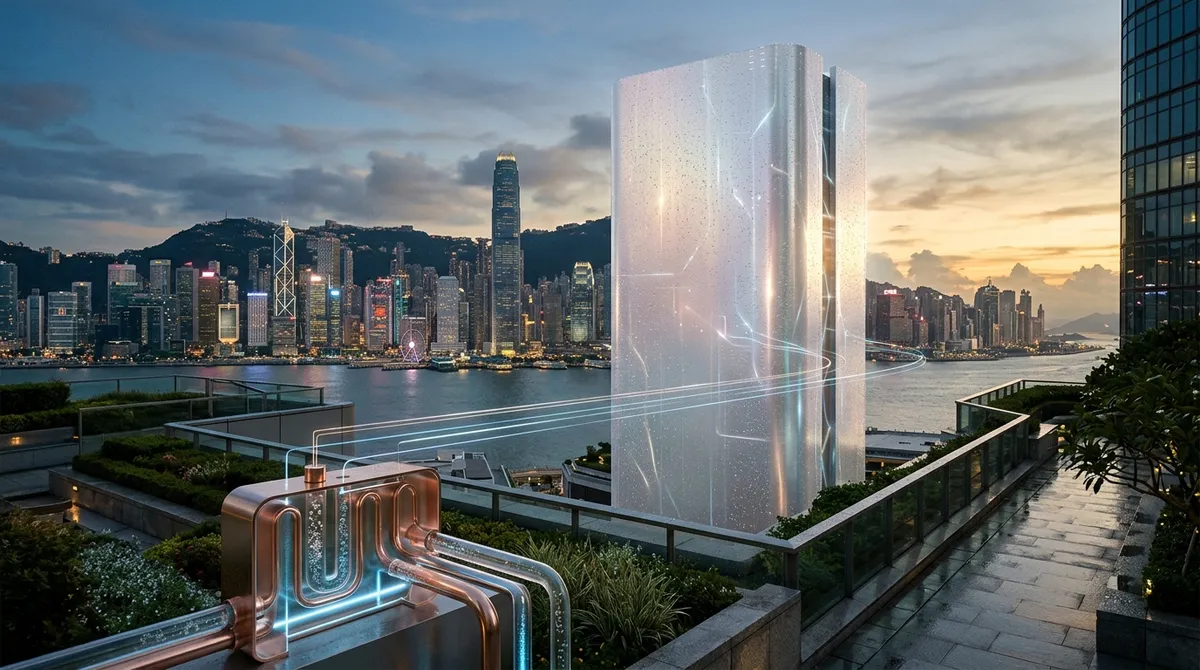
The first breakthrough, known as BRIDGE skin, represents a paintable building coating that serves dual purposes: cooling buildings while simultaneously harvesting energy from rainfall. According to reports, this bio-inspired solution draws from nature's own designs, specifically mimicking Tillandsia air plants to solve complex engineering trade-offs in building coatings.
Copper Replaces Platinum in Hydrogen Production
The second innovation tackles one of clean energy's most persistent challenges: the high cost of hydrogen production. The research team has developed a copper-ion-based hydrogen production system that generates clean fuel continuously and affordably, eliminating the need for expensive platinum catalysts.
This copper-ion breakthrough could democratize hydrogen production by replacing costly platinum with abundant copper materials. The system operates around the clock, producing clean energy in both darkness and daylight for continuous power generation.
Urban Applications Drive Adoption
The timing of these innovations aligns with urgent urban sustainability pressures, particularly in high-density regions like Hong Kong and the Greater Bay Area. These areas face mounting challenges from energy market volatility and climate pressures, making cost-effective sustainable solutions increasingly critical.
The paintable nature of the BRIDGE skin coating offers significant advantages over traditional rigid solar panels when retrofitting existing buildings. This flexibility could accelerate urban adoption, as building owners can apply the technology without major structural modifications.
Circular Economy Principles in Action
Both technologies embody circular economy principles through closed-loop systems that reduce waste while creating self-sustaining energy solutions. The hydrogen production system's ability to operate continuously without expensive materials represents a shift toward more accessible green technology.
The bio-inspired approach demonstrates how natural systems can inform engineering solutions to modern challenges. By studying how Tillandsia air plants manage water and energy, researchers developed coatings that address multiple building performance issues simultaneously.
Market Impact and Scalability
The affordability factor of both technologies could prove crucial for widespread adoption. Traditional green energy solutions often face barriers due to high initial costs, but these innovations appear designed for broader accessibility.
The retrofittable nature of the building coating technology addresses a key challenge in urban sustainability: the need to upgrade existing building stock rather than relying solely on new construction. This approach could accelerate the transformation of urban energy systems.
Future Implications
As cities continue to grapple with energy costs and climate goals, these technologies offer practical pathways toward carbon neutrality. The combination of bio-inspired design with abundant materials suggests a new direction for sustainable technology development.
The continuous operation capability of the hydrogen system addresses intermittency issues that have historically limited renewable energy adoption. By providing round-the-clock clean energy production, this technology could support more reliable sustainable power grids.
These developments from City University of Hong Kong represent significant advances in making sustainable technology both effective and economically viable, potentially accelerating the transition to cleaner urban energy systems across high-density regions worldwide.