
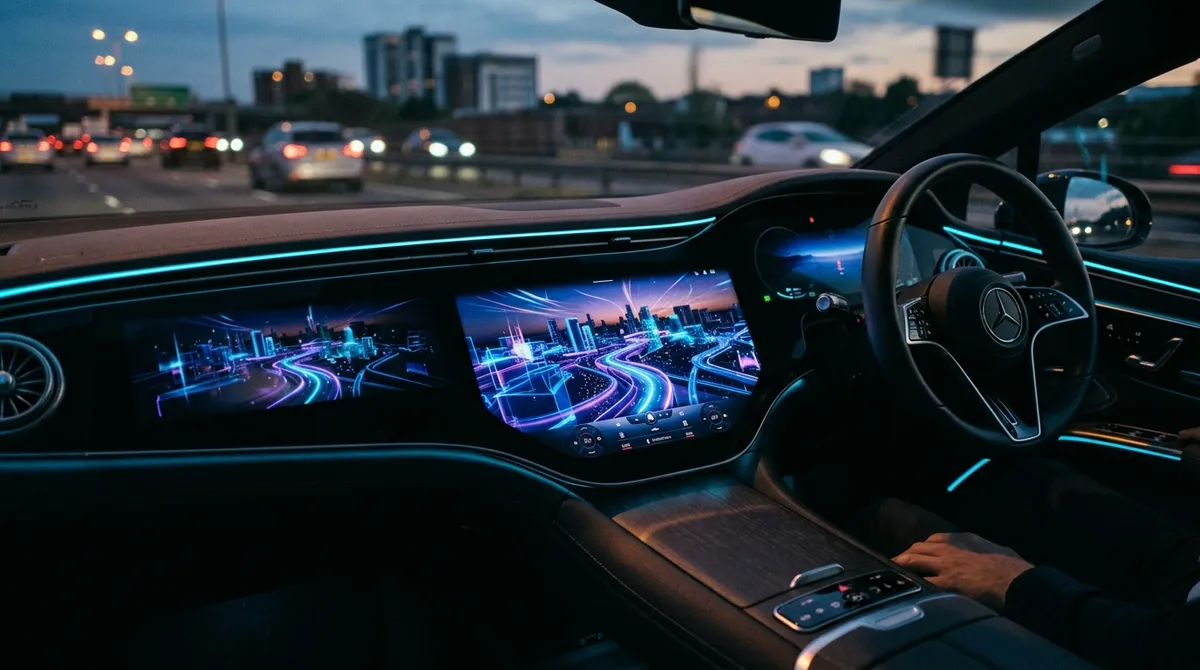
Tesla continues to push the boundaries of in-car technology by integrating advanced graphics capabilities into its vehicles. With a focus on elevating the digital experience for drivers and passengers, Tesla's latest innovation involves the adoption of the Unreal Engine, known for its high-performance graphics typically used in video games. This strategic move enhances the visual aspects of Tesla's infotainment systems, providing a more immersive and interactive experience.
The Role of Unreal Engine in Tesla Vehicles
Unreal Engine, developed by Epic Games, is a powerful tool that renders complex graphics with remarkable detail and speed. By incorporating this engine into its vehicles, Tesla aims to offer a more engaging and responsive interface. This advancement is particularly significant in the context of infotainment systems, where dynamic visuals can greatly enhance user interaction and satisfaction.
The integration of Unreal Engine allows for smoother animations and detailed graphics that can support a range of applications, from navigation to entertainment. By leveraging the capabilities of this engine, Tesla enhances the overall aesthetic and functionality of its in-car displays, leading to a more seamless and enjoyable driving experience.
Enhancing the User Experience
Tesla's commitment to improving user experience is evident through its continual upgrades to its software and hardware. The adoption of advanced graphics technology is part of this ongoing effort. With Unreal Engine, Tesla can create visually stunning interfaces that are not only aesthetically pleasing but also intuitive and easy to navigate.
For instance, the use of high-quality graphics can make navigation systems more intuitive by providing clearer maps and more detailed visual cues. Similarly, entertainment options benefit from high-resolution displays and faster processing speeds, ensuring that passengers can enjoy rich media content without any lag.
Technical Advantages and Innovations
Integrating Unreal Engine into Tesla's software architecture also brings several technical advantages. The engine's ability to handle complex real-time rendering tasks means that Tesla can implement more sophisticated features without compromising performance. This capability is crucial as vehicles become increasingly reliant on software for both functionality and entertainment.
Furthermore, the use of such a powerful graphics engine opens the door for future innovations in Tesla's in-car systems. It provides a robust platform for developing new applications and features that can be rolled out through software updates, ensuring that Tesla vehicles remain at the cutting edge of technology.
Future Prospects
Looking ahead, Tesla's integration of Unreal Engine sets the stage for continued advancements in automotive technology. As the industry moves towards more autonomous and connected vehicles, the demand for sophisticated digital interfaces will only grow. By investing in high-performance graphics, Tesla positions itself as a leader in this space, ready to meet the evolving needs of its customers.
This step also highlights the potential for collaboration between automotive and gaming industries, as they share a common goal of creating immersive and interactive experiences. As technology continues to evolve, such collaborations could lead to even more groundbreaking innovations in vehicle design and functionality.
In conclusion, Tesla's adoption of Unreal Engine marks a significant milestone in the evolution of its in-car technology. By enhancing the visual and interactive elements of its vehicles, Tesla not only improves the user experience but also sets a new standard for what is possible in automotive design. As the company continues to innovate, it remains at the forefront of integrating cutting-edge technology to redefine the driving experience.