
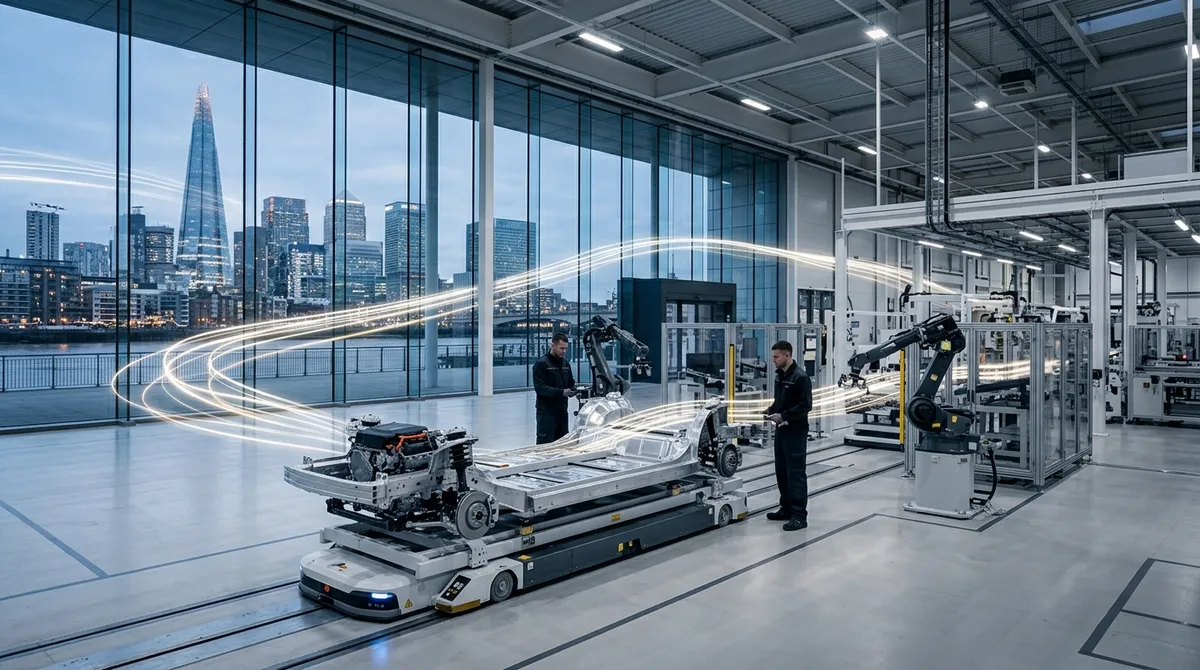
The UK automotive industry is undergoing a significant transformation as it navigates through a challenging yet promising landscape. With the global shift towards electric vehicles and sustainable practices, manufacturers in the UK are restructuring their strategies to stay competitive and innovative. This transition is not only crucial for the industry's survival but also for maintaining the country's position as a leader in automotive technology.
Adapting to Electric Vehicle Trends
The electric vehicle (EV) revolution is reshaping the automotive sector worldwide. In the UK, manufacturers are investing heavily in EV technology to cater to increasing consumer demand and meet stringent environmental regulations. This shift is driven by the UK government's ambitious plan to ban the sale of new petrol and diesel cars by 2030, pushing the industry towards cleaner alternatives.
Major automakers are stepping up their game by launching new electric models and enhancing their existing line-ups. These efforts are supported by significant investments in EV technology, battery manufacturing, and charging infrastructure, which are essential for the widespread adoption of electric vehicles.
Financial Challenges and Opportunities
While the transition to electric vehicles offers numerous opportunities, it also presents financial challenges for many manufacturers. The initial investment required for developing EV technology and infrastructure is substantial. However, companies that successfully navigate these challenges stand to gain a competitive edge in the growing EV market.
Financial incentives and government support play a crucial role in this transition. The UK government has introduced various grants and subsidies to encourage the production and purchase of electric vehicles. These incentives help offset the high development costs and make EVs more affordable for consumers, accelerating their adoption in the market.
Supply Chain and Production Adjustments
The shift towards electric vehicles necessitates significant adjustments in the supply chain and production processes. Automotive manufacturers are re-evaluating their supply chains to source sustainable materials and components essential for EV production. Moreover, factories are being upgraded to accommodate the unique requirements of electric vehicle manufacturing.
This transformation extends to workforce development, as new skills are required to build and maintain electric vehicles. Companies are investing in training programs to equip their employees with the necessary expertise to work with advanced EV technologies.
Environmental Impact and Innovation
The move towards electric vehicles is also driven by the need to reduce the environmental impact of transportation. EVs offer a cleaner alternative to traditional combustion engines, contributing to lower carbon emissions and improved air quality. This environmental focus is a key motivator for innovation within the industry.
Automakers are exploring new technologies, such as advanced battery solutions and autonomous driving features, to enhance the efficiency and appeal of electric vehicles. These innovations not only improve vehicle performance but also align with global sustainability goals.
The Future of the UK Automotive Industry
As the UK automotive industry embraces these challenges and opportunities, it is poised for a transformative future. The successful integration of electric vehicles into the mainstream market will determine the industry's trajectory in the coming decades. By leveraging technological advancements and government support, the UK aims to solidify its position as a leader in automotive innovation and sustainability.
While the path to a fully electric future presents obstacles, the determination and adaptability of the UK automotive industry promise a bright and sustainable future. As manufacturers continue to innovate and adapt, the potential for growth and positive environmental impact is immense.