
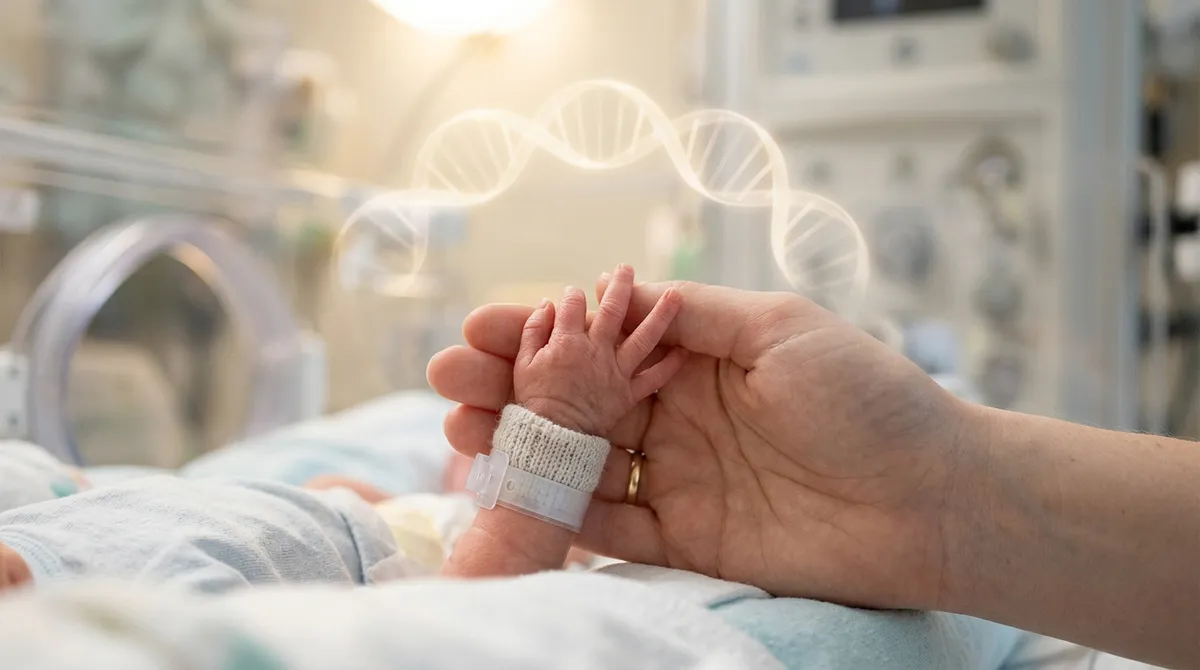
Imagine a world where a single, tailored treatment can alter the course of a genetic disorder, changing a child's life forever. This innovative approach to medicine has become a reality with the groundbreaking use of a personalized gene-editing drug for a young boy. This treatment marks a significant milestone in the field of genetic medicine, opening new possibilities for treating rare genetic conditions.
Gene editing has revolutionized our understanding of genetic disorders. At the forefront of this revolution is a pioneering treatment administered to a child with a unique genetic mutation. This medical breakthrough underscores the potential of personalized medicine in transforming healthcare and offers hope to families affected by rare genetic diseases.
The Promise of Personalized Gene Editing
Personalized gene editing involves customizing treatments to address the specific genetic mutations that cause a patient's disorder. This approach is particularly beneficial for rare genetic conditions that often have limited treatment options. By directly targeting the root cause of a disorder, personalized gene editing can offer more effective and lasting solutions compared to traditional therapies.
The advent of CRISPR technology has significantly advanced personalized gene editing. CRISPR allows scientists to precisely modify DNA sequences, enabling the correction of genetic mutations with unprecedented accuracy. This technique has been instrumental in developing tailored therapies that address individual genetic variations, paving the way for personalized medicine.
Case Study: A Boy's Journey to Treatment
The recent case of a young boy receiving a personalized gene-editing drug exemplifies the potential of this innovative approach. Diagnosed with a rare genetic disorder, the boy's condition left him with limited treatment options. Traditional therapies were inadequate, prompting researchers to develop a targeted solution using gene-editing technology.
This treatment involved a comprehensive analysis of the boy's genetic makeup to identify the specific mutation responsible for his condition. Armed with this information, scientists utilized CRISPR to design a drug tailored to correct the mutation, offering a personalized solution not available in conventional medicine.
Challenges and Considerations
While the success of this treatment is promising, personalized gene editing presents several challenges. One major concern is the potential for off-target effects, where unintended genetic modifications could occur. Ensuring the accuracy and safety of gene-editing treatments is paramount to avoid adverse outcomes.
Regulatory hurdles also pose a challenge, as personalized gene-editing therapies must undergo rigorous testing and approval processes. The complexity of tailoring treatments to individual genetic profiles requires robust regulatory frameworks to ensure safety and efficacy.
Ethical and Social Implications
Ethical considerations are integral to the discussion surrounding gene editing. The ability to alter human genetic material raises questions about the long-term implications and potential misuse of this technology. Balancing innovation with ethical responsibility is crucial to advancing personalized medicine sustainably.
Public perception and acceptance of gene-editing technologies also play a critical role in their adoption. Transparent communication and education about the benefits and risks associated with these therapies are essential to gaining public trust and support.
The Future of Genetic Medicine
The successful application of personalized gene editing in treating a rare genetic disorder signifies a new era in healthcare. As research and technology continue to evolve, the potential for personalized medicine to address a wider range of conditions becomes increasingly attainable.
Future advancements may include more accessible and cost-effective gene-editing therapies, expanding the reach of personalized medicine to broader populations. Collaboration between researchers, clinicians, and regulatory bodies will be key to overcoming challenges and ensuring the safe integration of these therapies into mainstream healthcare.
In conclusion, the first successful use of a personalized gene-editing drug in a young boy represents a pivotal moment in genetic medicine. This achievement highlights the transformative potential of personalized treatments in addressing rare genetic disorders, offering new hope to patients and their families worldwide.