
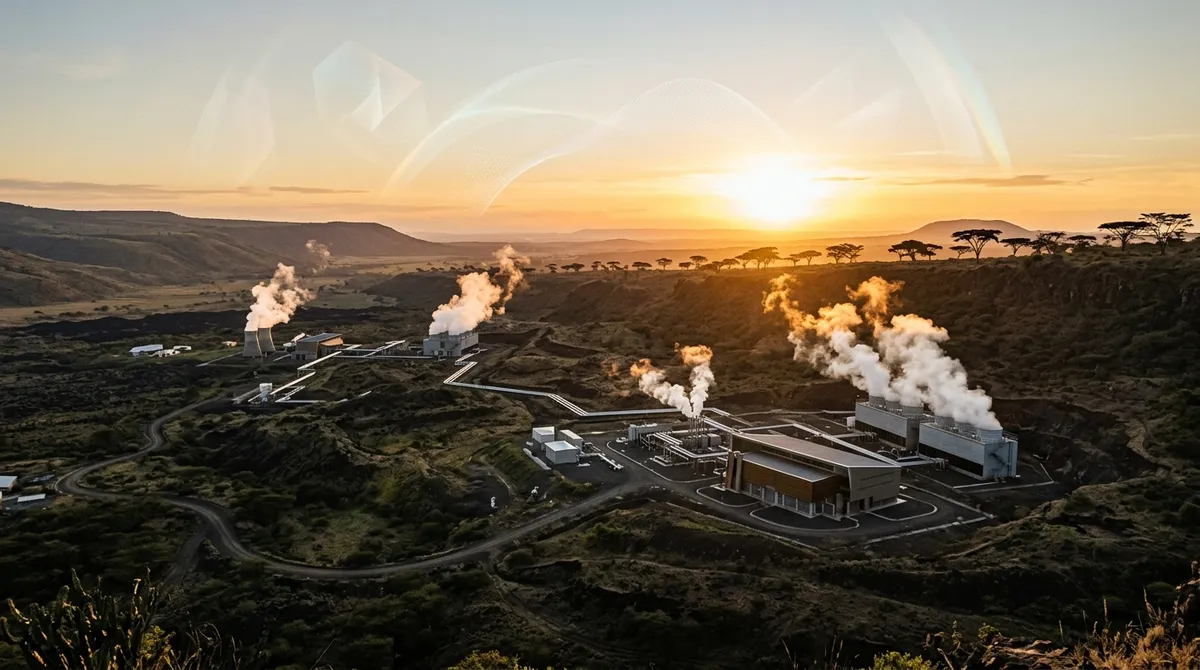
In the quest for sustainable energy solutions, Kenya emerges as a pioneering force in harnessing geothermal resources and integrating carbon capture technologies. As global concerns about climate change intensify, this East African nation is leading the charge with innovative approaches that promise a cleaner and more sustainable future.
The Power of Geothermal Energy in Kenya
Kenya's strategic location along the East African Rift makes it an ideal candidate for geothermal energy exploitation. This geological formation provides significant geothermal potential, which the country has been progressively developing over the years. Geothermal power is not only a renewable energy source but also offers a reliable and consistent power supply, unlike solar or wind, which can be intermittent.
In recent years, Kenya has significantly increased its geothermal capacity, positioning itself as a leader in renewable energy production on the continent. The Olkaria Geothermal Plant, one of the largest in Africa, serves as a testament to the country's commitment to reducing its carbon footprint and achieving energy independence.
Integrating Carbon Capture Technologies
While geothermal energy is inherently low in emissions, the integration of carbon capture technology can further enhance its environmental benefits. By capturing and storing carbon dioxide emissions from geothermal plants, Kenya aims to push the boundaries of clean energy production even further.
This effort aligns with global objectives to minimize greenhouse gas emissions and combat climate change. By adopting carbon capture technology, Kenya not only enhances its energy sustainability but also sets a precedent for other nations in similar geographical contexts to follow suit.
Economic and Environmental Impact
The implementation of geothermal and carbon capture technologies offers far-reaching economic and environmental benefits for Kenya. Economically, it reduces the country's reliance on imported fossil fuels, thus enhancing energy security and fostering local job creation in the renewable sector. The development of geothermal infrastructure also attracts foreign investment, further stimulating economic growth.
Environmentally, these technologies significantly reduce carbon emissions, contributing to global climate targets. By setting an example in the region, Kenya is inspiring neighboring countries to explore similar sustainable energy solutions.
Challenges and Future Prospects
Despite the promising advancements, Kenya faces challenges in fully realizing the potential of these technologies. Financial constraints and the need for technical expertise are notable hurdles. However, partnerships with international organizations and private sector investments are helping to overcome these barriers.
The future looks promising as Kenya continues to explore innovative solutions in the energy sector. With ongoing investments and technological advancements, the country is poised to further expand its geothermal capacity and enhance its carbon capture initiatives.
A Global Blueprint for Sustainable Energy
Kenya's progress in geothermal energy and carbon capture serves as a global blueprint for sustainable energy development. By leveraging its natural resources and adopting cutting-edge technologies, the nation is not only addressing its energy needs but also contributing to the global fight against climate change.
As more countries recognize the importance of sustainable energy, Kenya's model provides valuable insights and inspiration. The integration of geothermal and carbon capture technologies could very well pave the way for a cleaner, more sustainable future worldwide.