
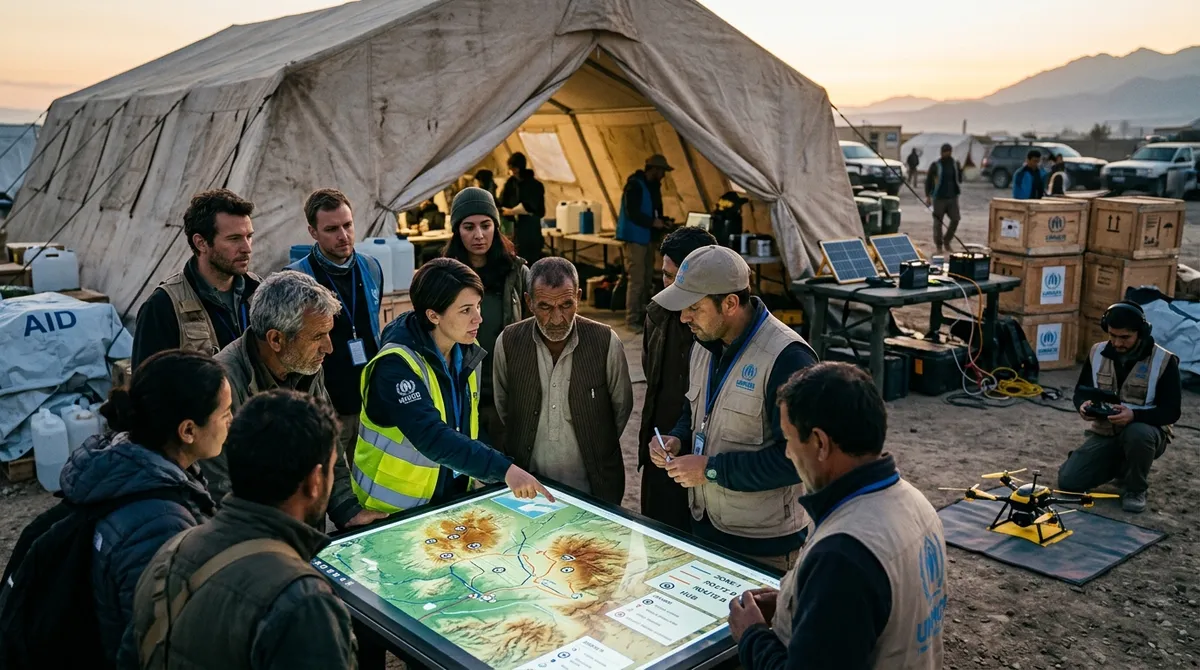
In today's rapidly evolving world, humanitarian efforts are undergoing a significant transformation to better address the needs of people in crisis. With natural disasters, conflicts, and pandemics on the rise, the global community is rethinking how to provide timely and effective assistance. Innovations in technology, funding strategies, and collaborative efforts are paving the way for a more resilient humanitarian response system.
The increasing complexity of global crises necessitates a shift in traditional humanitarian approaches. As challenges become more interconnected and multifaceted, organizations are leveraging cutting-edge technology to enhance their response capabilities. Drones, artificial intelligence, and data analytics are now integral tools in assessing damage, delivering aid, and predicting future crises. These technologies offer real-time information and insights that enable faster, more efficient responses, ultimately saving lives and resources.
Innovation in Crisis Response
Technology has emerged as a game-changer in the humanitarian sector. Drones, for instance, are used to survey disaster-stricken areas quickly, providing invaluable data that help responders allocate resources where they are needed most. Artificial intelligence systems analyze vast amounts of data to predict potential crises and suggest proactive measures. This predictive capability allows organizations to prepare and deploy resources before a crisis fully unfolds, mitigating its impact on vulnerable populations.
Data analytics also play a crucial role in streamlining operations. By analyzing patterns and trends, humanitarian organizations can optimize supply chains, ensuring that aid reaches those in need more efficiently. This not only reduces waste but also ensures that assistance is both timely and effective, addressing the specific needs of affected communities.
Funding and Resource Allocation
Adapting to the changing landscape of humanitarian aid also requires innovative funding mechanisms. Traditional funding models, often reliant on government and large-scale donor contributions, are being supplemented with new strategies. Crowdfunding and private sector partnerships are gaining traction as viable alternatives. These methods not only diversify funding sources but also engage a broader audience in the humanitarian mission.
Private sector involvement brings not only financial contributions but also expertise and resources that can be leveraged for greater impact. By collaborating with businesses, humanitarian organizations can access technology, logistics, and management expertise, enhancing their capacity to respond effectively to crises.
Collaboration Across Sectors
Collaboration is at the heart of modern humanitarian efforts. Cross-sector partnerships between governments, non-governmental organizations (NGOs), the private sector, and local communities are crucial for a comprehensive response to crises. By pooling resources and expertise, these partnerships create a more robust framework for addressing complex humanitarian challenges.
Local communities play a pivotal role in these efforts, offering valuable insights and knowledge that can guide effective intervention strategies. Engaging local actors ensures that aid is culturally appropriate and meets the specific needs of affected populations. This community-driven approach fosters resilience and empowers individuals to take an active role in their recovery.
Building Resilience for the Future
As the humanitarian sector evolves, building resilience is a key focus. Empowering communities with the tools and knowledge to withstand and recover from crises is essential for long-term sustainability. Educational programs, vocational training, and infrastructure development are integral components of resilience-building efforts.
Moreover, fostering resilience involves addressing the root causes of vulnerability. By tackling issues such as poverty, inequality, and environmental degradation, humanitarian organizations can help communities become more self-sufficient and less reliant on external aid. This holistic approach is vital for ensuring that communities are better equipped to face future challenges.
In conclusion, the humanitarian landscape is undergoing a profound transformation, driven by innovation, collaboration, and a commitment to building resilience. As the world faces increasingly complex crises, adapting to these changes is crucial for providing effective assistance to those in need. By embracing new technologies, diversifying funding sources, and fostering cross-sector partnerships, the global community can create a more agile and responsive humanitarian system. This evolution not only benefits those in immediate crisis but also lays the groundwork for a more sustainable and equitable future for all.