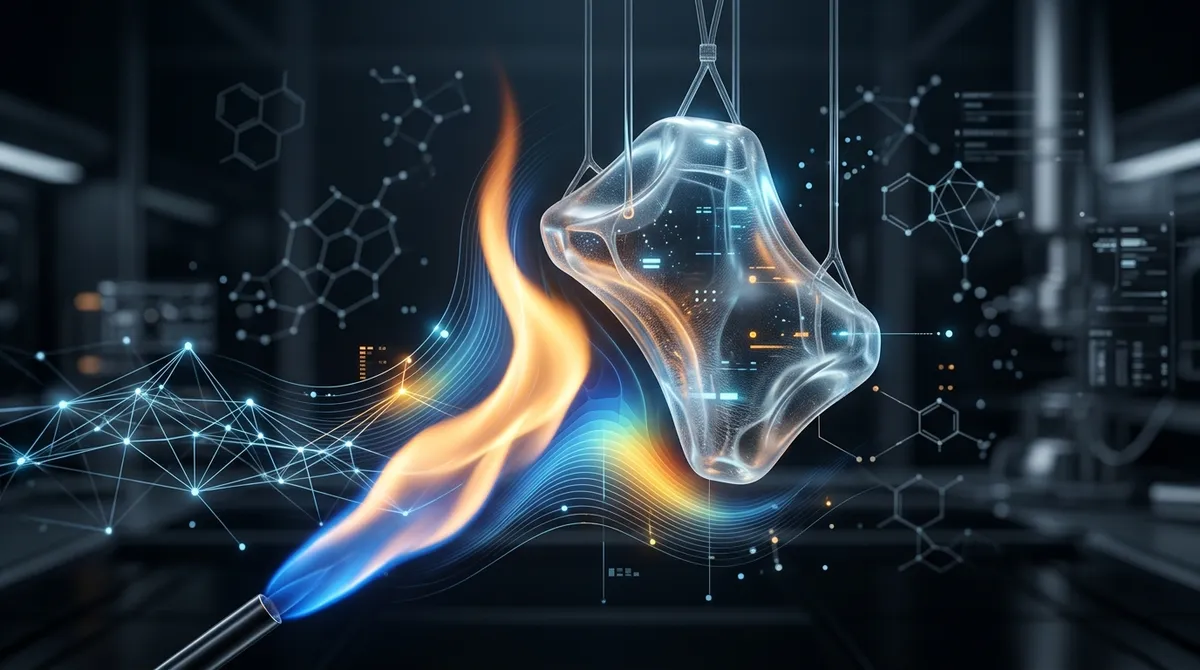
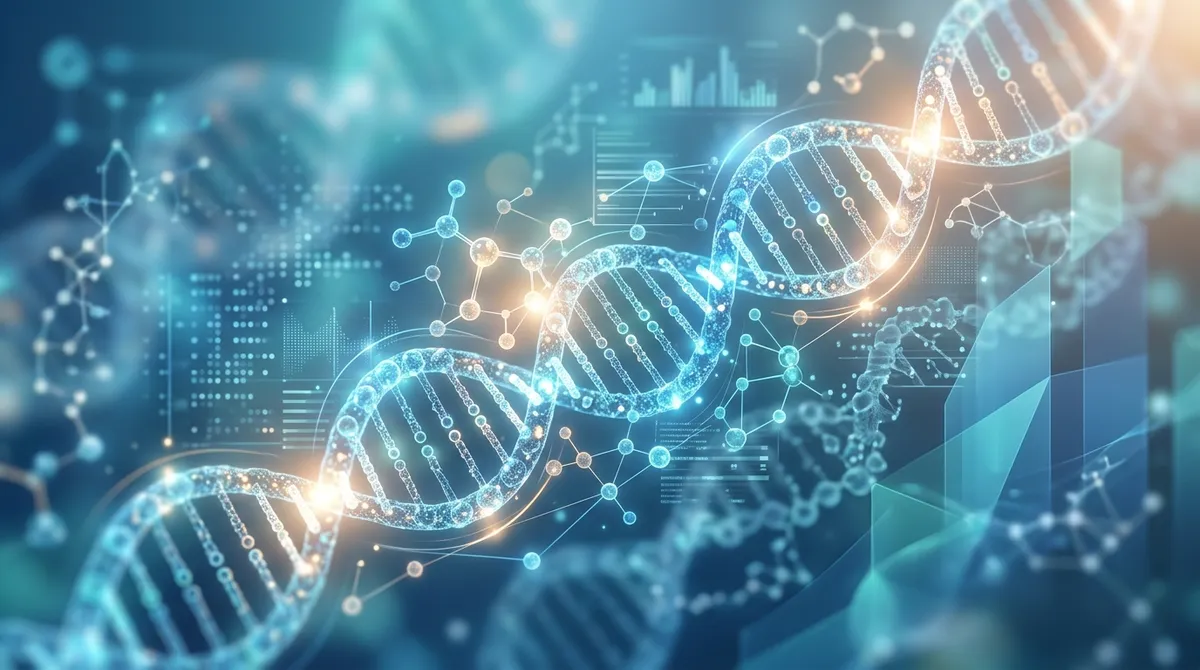
In recent years, the integration of artificial intelligence (AI) in healthcare has revolutionized the process of drug discovery. Leveraging large quantitative models, AI is now enabling researchers to accelerate the identification and development of new pharmaceuticals. These advancements promise not only to enhance the efficiency of drug discovery but also to significantly reduce costs and timeframes traditionally involved in bringing new drugs to market.
The application of AI in drug discovery has opened up a multitude of opportunities for innovation in the pharmaceutical industry. By utilizing vast datasets and sophisticated algorithms, AI-driven models can predict how different compounds will interact with biological targets. This predictive capability allows scientists to focus on the most promising candidates early in the research process, thus streamlining development efforts.
The Role of AI in Modern Drug Discovery
AI technologies have fundamentally altered the landscape of drug discovery by providing tools that can process and analyze large volumes of data with unprecedented speed and accuracy. These technologies are particularly effective in identifying potential drug candidates that might have been overlooked through traditional methods. By simulating molecular interactions and predicting outcomes, AI models help researchers to reduce the reliance on trial-and-error approaches, which are often time-consuming and costly.
Furthermore, AI's ability to analyze complex biological data sets allows for a deeper understanding of disease mechanisms. This enhanced understanding can lead to the identification of novel therapeutic targets, ultimately paving the way for the development of more effective treatments. AI's role in drug discovery is not only about efficiency but also about expanding the possibilities for new, innovative therapies.
Advancements in AI-Driven Models
Recent advancements in AI have led to the creation of more sophisticated models capable of simulating human biology with greater fidelity. These models use deep learning techniques to interpret complex data, enabling them to predict the success of drug candidates more accurately. By integrating various types of data—such as genomic, proteomic, and chemical information—these models provide a comprehensive view of potential drug interactions.
One of the key benefits of these AI-driven models is their ability to conduct virtual screenings of vast chemical libraries. This process significantly reduces the need for physical testing, saving both time and resources. As a result, pharmaceutical companies can focus their efforts on the most promising candidates, accelerating the path from discovery to clinical trials.
The Impact on Pharmaceutical Development
The impact of AI on pharmaceutical development is profound. By reducing the time and cost associated with drug discovery, AI technologies are enabling companies to bring treatments to market more quickly. This acceleration not only benefits the companies involved but also has a direct impact on patients, who gain access to new therapies sooner.
Moreover, the use of AI in drug discovery supports the development of personalized medicine. By analyzing individual patient data, AI models can help to tailor treatments to specific genetic profiles, improving efficacy and reducing adverse effects. This personalized approach represents a significant shift towards more patient-centered healthcare.
Challenges and Future Prospects
Despite the promising advancements, the integration of AI in drug discovery is not without challenges. Issues such as data privacy, the need for extensive validation of AI models, and the regulatory landscape present ongoing hurdles. Ensuring that AI systems are transparent and that their predictions are reliable remains a critical concern for the industry.
Looking ahead, the future of AI in drug discovery is bright. Continued advancements in AI technologies, coupled with growing collaborations between tech companies and pharmaceutical firms, are likely to drive further innovation. As these technologies mature, they will undoubtedly play an even greater role in transforming drug discovery and development processes.
In conclusion, AI is reshaping the pharmaceutical industry by significantly enhancing the drug discovery process. Through the use of large quantitative models, AI is not only improving efficiency but also expanding the horizons of what is possible in drug development. As these technologies continue to evolve, they hold the potential to deliver groundbreaking therapies and revolutionize healthcare.