
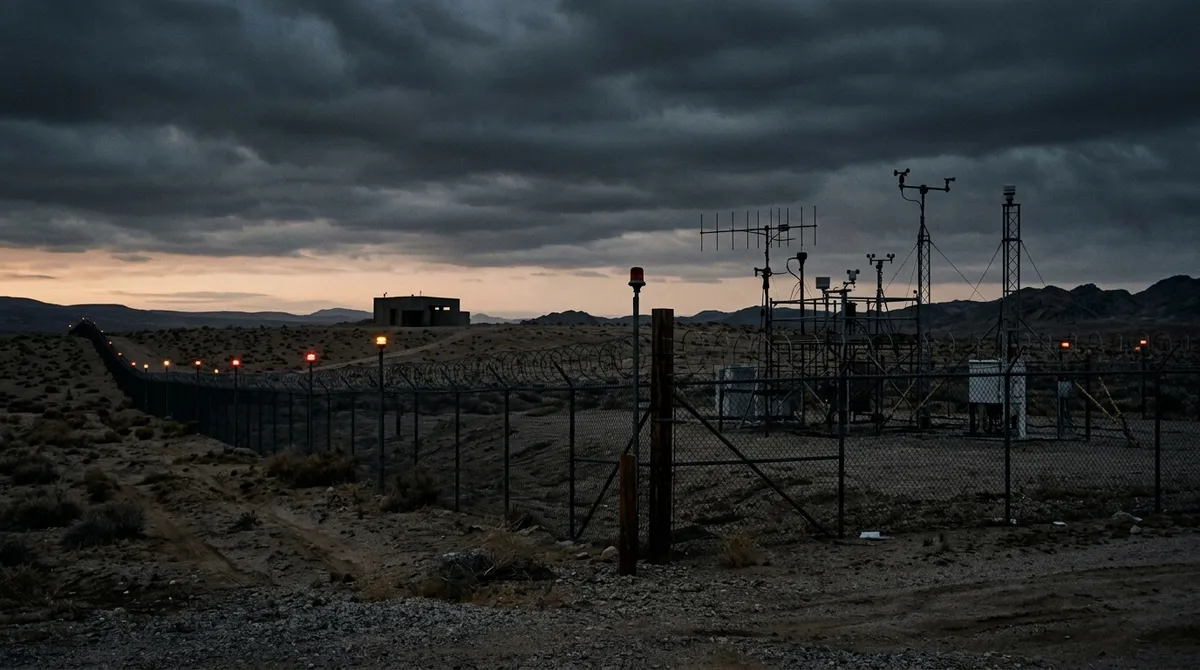
In recent years, the topic of nuclear weapons testing has re-entered the global conversation, raising concerns over international security and environmental impact. This renewed focus stems from discussions within the United States about potentially resuming such tests. The implications of restarting nuclear tests could be significant, affecting both diplomatic relations and the global non-proliferation agenda.
Historical Context of Nuclear Testing
The history of nuclear weapons testing dates back to the mid-20th century. During this period, multiple nations engaged in tests to advance their military capabilities. The tests were a demonstration of power and a means to ensure strategic superiority. The United States, along with other nations, conducted hundreds of tests that contributed to significant advancements in nuclear technology.
Over time, the detrimental environmental and health impacts of nuclear testing became apparent. This led to international efforts to curtail such activities. The Comprehensive Nuclear-Test-Ban Treaty (CTBT), adopted in 1996, was a pivotal step in this direction. Although the treaty has not yet entered into force due to pending ratifications, it represents a global commitment to halting nuclear tests.
Potential Motivations for Resuming Tests
The discussion around resuming nuclear tests in the United States has sparked debate among policymakers and defense experts. Proponents argue that testing is necessary to ensure the reliability and effectiveness of the nation's nuclear arsenal. They express concerns over the aging stockpile and the need for modernization to maintain deterrence capabilities.
Opponents of resuming tests counter that the United States can ensure its arsenal's reliability through advanced simulations and subcritical tests, which do not involve nuclear explosions. They emphasize the risks associated with testing, including environmental damage and the potential to ignite an arms race.
International Reactions and Concerns
Internationally, the prospect of the United States resuming nuclear tests has raised alarms. Many countries view it as a step backward in global disarmament efforts. Allies and adversaries alike have expressed concerns that such actions could undermine the CTBT and weaken the global non-proliferation regime.
Moreover, resuming tests could prompt other nuclear-capable nations to follow suit, leading to increased tensions and instability. This scenario is particularly concerning in regions like East Asia and the Middle East, where geopolitical rivalries are already pronounced.
Environmental and Health Implications
The environmental and health consequences of nuclear weapons testing are significant. Past tests have resulted in radioactive contamination of land and water, with long-lasting impacts on ecosystems and human populations. Communities near test sites have experienced increased rates of cancer and other health issues, highlighting the risks associated with nuclear fallout.
Resuming tests could exacerbate these problems, affecting not only the immediate vicinity of test sites but also areas far beyond due to atmospheric and waterborne dispersal of radioactive materials.
Path Forward: Diplomacy and Non-Proliferation
In light of these challenges, the path forward for the United States and the international community involves reaffirming commitments to non-proliferation and disarmament. Engaging in diplomatic dialogue and strengthening international treaties are crucial steps in this direction. Efforts to ratify the CTBT and promote its entry into force should be prioritized to ensure a comprehensive ban on nuclear tests.
Furthermore, investing in advanced technologies for nuclear stockpile stewardship can provide confidence in the safety and reliability of arsenals without the need for explosive testing. These measures align with global efforts to prevent nuclear proliferation and promote peace.
In conclusion, the debate over resuming nuclear weapons testing in the United States is complex, involving strategic, environmental, and diplomatic considerations. Balancing national security interests with global non-proliferation goals remains a delicate task. Moving forward, it is imperative that the international community work collaboratively to uphold a world free from nuclear tests, ensuring peace and security for future generations.